
At some point, your infrastructure stops being a “home setup” and starts becoming a critical system. With the increase of price in crude oil, more of us at home are transitioning to Work-From-Home setup, and I needed a WiFi that will enable our family and the extended family to have a robust WiFi Signal. Hence, a case study on enterprise-grade decision-making applied to consumer environments
Most people treat infrastructure as a background concern—something to fix when it breaks.
Until eventually, it compounds into operational friction.
And by then, you’re no longer solving a technical problem.
You’re managing a business constraint.
The question was no longer:
“Is my Wi-Fi fast?”
It became:
“Can my network be trusted under pressure?”
The Breaking Point: When does IT and Business see a Constraint
What this upgrade reinforced for me is simple:
Infrastructure is not an IT decision. It’s a leadership decision.
Because it directly shapes:
- How people experience your systems
- How scalable your operations become
- How much hidden friction your organization carries
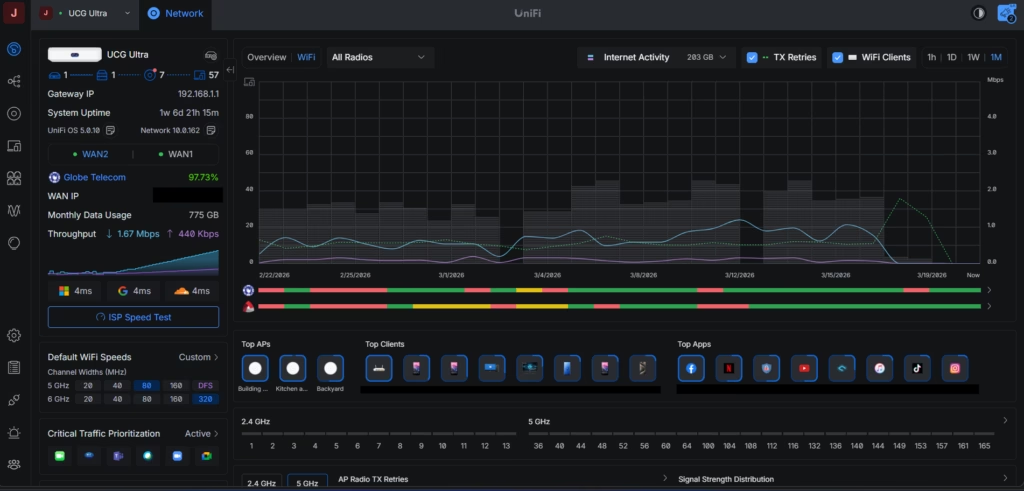
The Shift in Thinking: From Wi-Fi to Infrastructure
Upgrading to Ruckus wasn’t about chasing better specs.
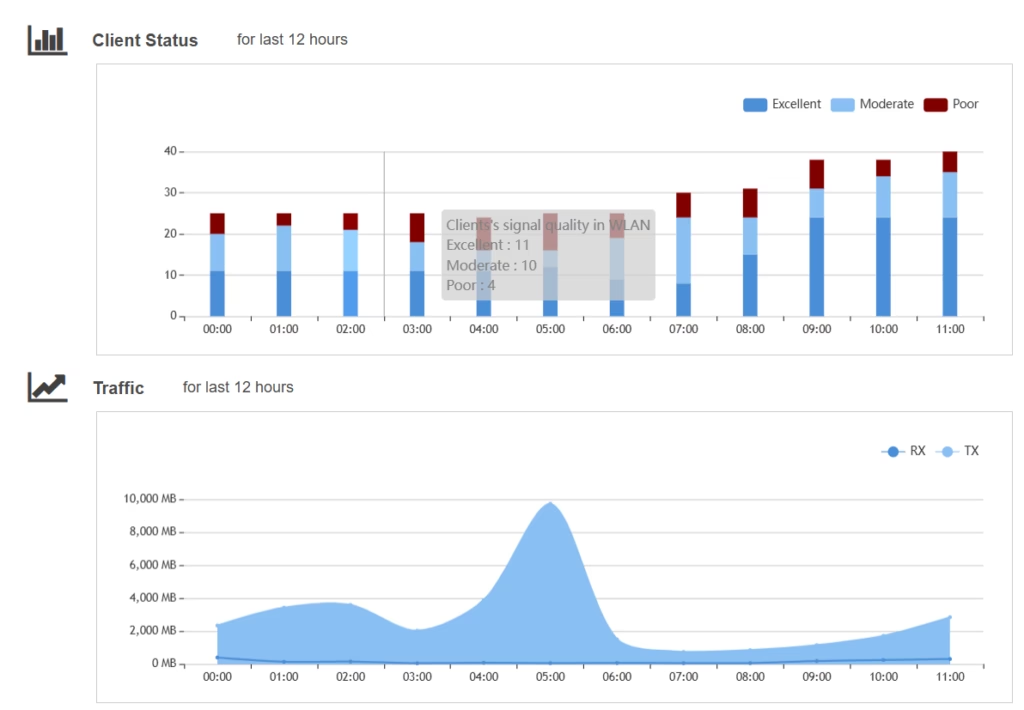
It was a shift in mindset:
- From coverage → to consistency
- From peak speed → to performance under load
- From manual control → to intelligent automation
Ruckus operates on a fundamentally different philosophy:
- Adaptive antennas (BeamFlex+) instead of static broadcast
- Continuous RF optimization (ChannelFly), not periodic adjustments
- High-density design as a baseline, not a premium feature
This is what enterprise systems optimize for:
Not how fast things go when idle—but how stable they remain when everything is competing.
The Counterintuitive Reality: You Don’t “Feel” the Upgrade
Many will look at this and say:
“It’s just Wi-Fi.”
But that’s exactly the point.
If something this foundational is treated casually,
what more with systems that actually drive revenue, risk, or decisions?
What’s the decision matrix?
1. Design for peak conditions, not average use
If it only works when things are calm, it will fail when it matters.
2. Optimize for consistency, not performance spikes
Users don’t remember speed—they remember instability.
3. Remove operational dependency wherever possible
If a system requires constant tuning, it’s not scalable.
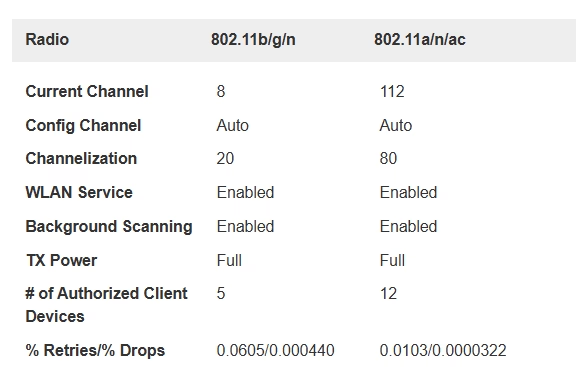
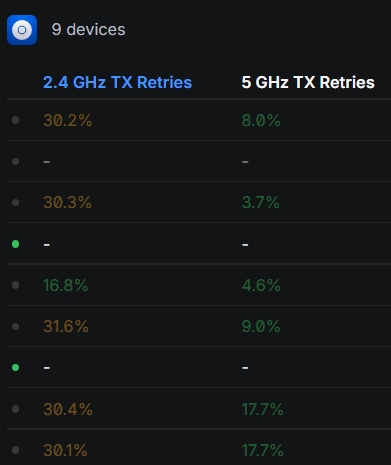
That’s when it clicks:
Good Wi-Fi is invisible. Great Wi-Fi is reliable.
A Leadership Lens on Infrastructure
This upgrade was never about UniFi vs Ruckus. It’s about how you think about infrastructure.
1. Stop optimizing for coverage. Start optimizing for airtime.
Most networks look “strong” on signal but fail under load. Performance is dictated by contention, not bars. If multiple devices are fighting for airtime, adding more signal does nothing.
2. More access points is not a solution. It’s often a symptom.
When you need to keep adding APs to fix performance, you’re compensating for inefficiency in RF management. Good systems reduce overlap and coordinate airtime—bad ones just blanket the problem.
3. Visibility is not performance.
Dashboards, metrics, and clean UIs create confidence—but they don’t guarantee outcomes. Many platforms optimize for what you can see, not what actually improves throughput and latency.
4. Infrastructure decisions are about environments, not features.
The right question is not “Which is better?” but “What environment am I operating in?”
- Low density, low interference → almost anything works
- High density, unpredictable interference → engineering matters
5. Enterprise-grade systems prioritize physics over convenience.
Consumer and prosumer gear optimize for ease of use. Enterprise systems optimize for consistency under stress. The difference only becomes obvious when the environment gets complex.
6. Performance only reveals itself under pressure.
A network that works with 5 devices tells you nothing. The real test is 20, 30, 50 devices competing at the same time. That’s where design—and not specs—decides the outcome.
Most people design networks for how they look at idle.
Serious operators design for how they behave under load.
Leave a Reply